 SEO
SEO
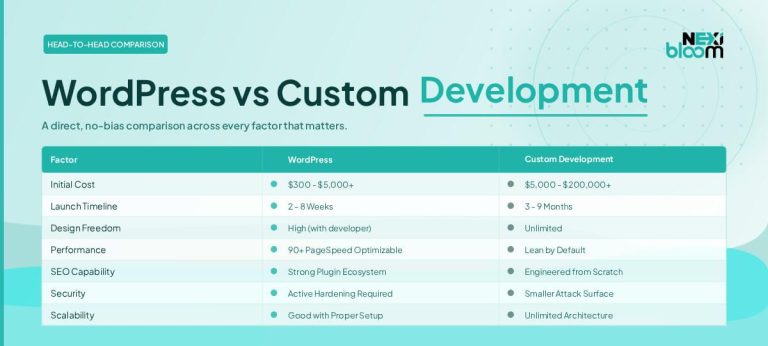
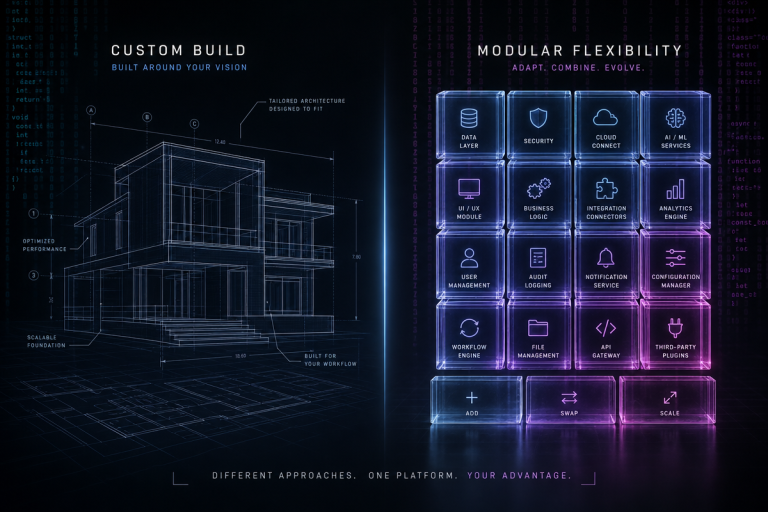
WordPress or Custom Development: Which Fits Your Business?
Picture a small business owner – let’s call her Maria, who runs a boutique furniture shop – sitting across from two developers.…
Guides, tutorials and honest write-ups from DRS Web on coding, SEO, AI and open source — the things we work out while building for clients, written down while they are still fresh. Filter by topic or by programming language to narrow this down to whatever is relevant to you, or just read from the top.
SEO
Picture a small business owner – let’s call her Maria, who runs a boutique furniture shop – sitting across from two developers.…
 SEO
SEO
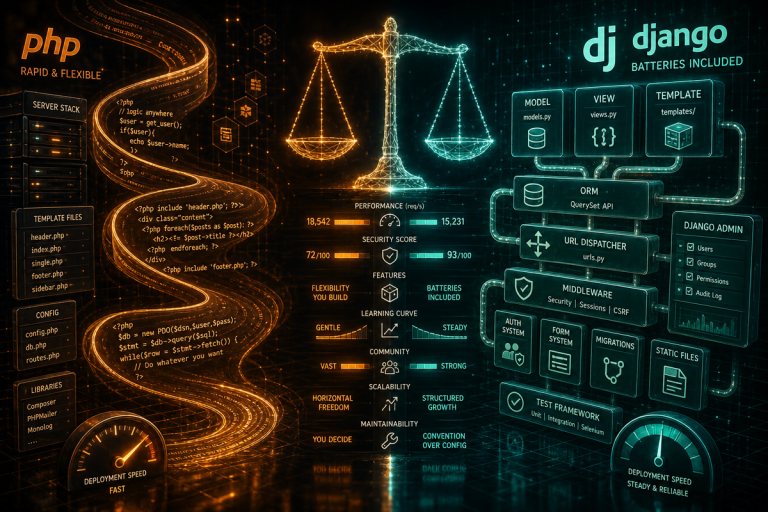
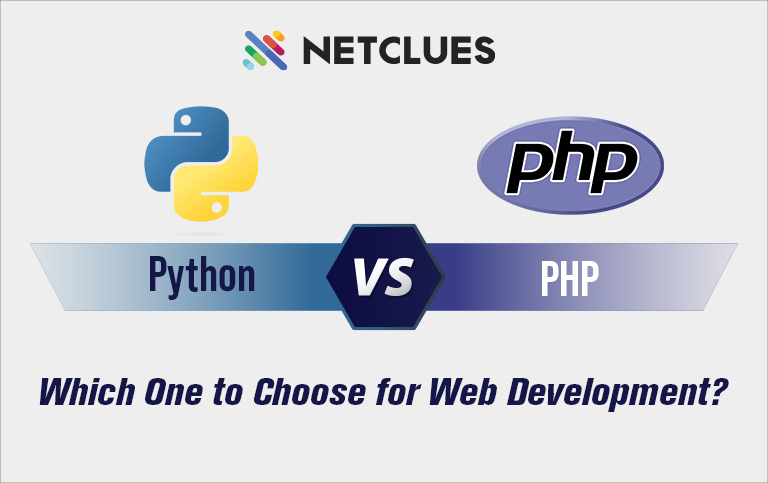
Comparison graphic contrasting the Django Python web framework with PHP, with a stylized decision-making visual representing the 2026 technology choice. Image: Arachnid…
 SEO
SEO
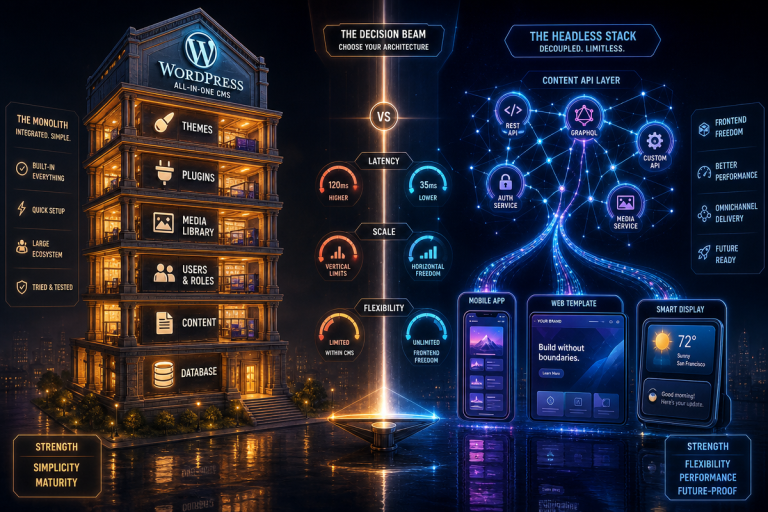
The first time a client asks you to preview a blog draft before it goes live, the platform you picked months earlier…
 Tutorials
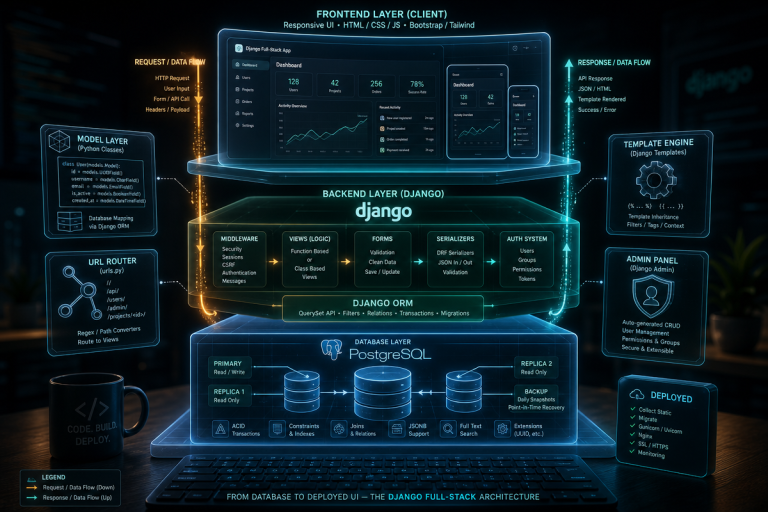
Promotional course thumbnail for ‘Python Django Full Stack Development: Build Modern Web App’, featuring Python and Django branding on a 750×422 Udemy…
 Tutorials
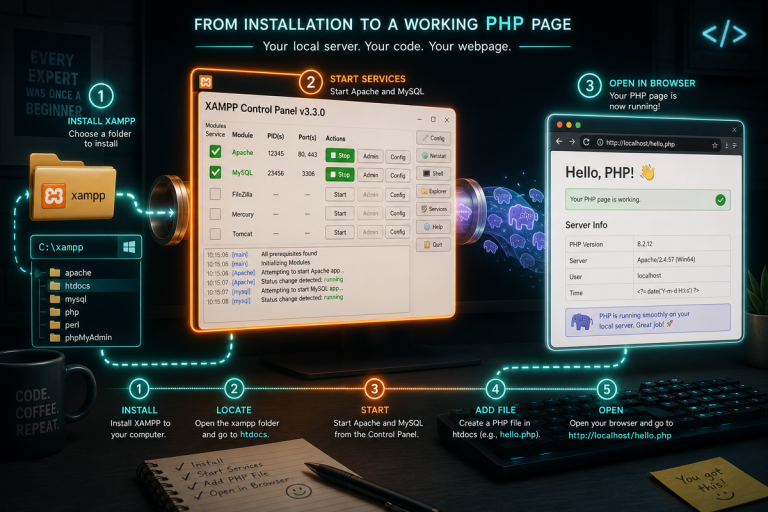
XAMPP and PHP logos illustrating how to install XAMPP and run a PHP file on a local Apache web server Image: Simplilearn…
 Tutorials
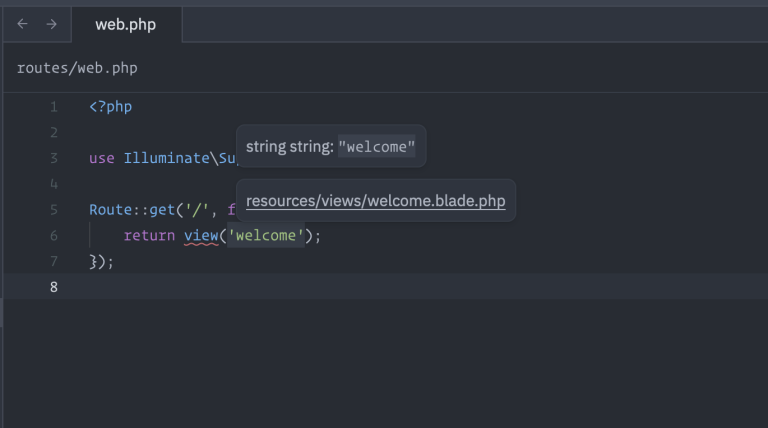
Decorative artwork used as the article’s feature image for the official Laravel Zed extension announcement. Image: Art Institute of Chicago (via Laravel…
 SEO
SEO
Here’s the uncomfortable truth about WordPress in 2026: it’s still the fastest legitimate way to get a business online, and most beginners…
 SEO
SEO
Before we run scrapers, let’s think practically: what fits your stack. When a client asks whether their scraper should be written in…
 SEO
SEO
Right now, if you’re a business owner staring down a website rebuild, the honest answer to “custom or WordPress?” isn’t philosophical –…
Four things, mostly: web development, SEO, practical AI and open source. The posts range from step-by-step tutorials you can follow at a keyboard to opinionated write-ups of decisions we had to make. You can narrow the list by topic or by programming language using the filters on this page, or browse everything from the blog index.
The DRS Web team, based in the North West of England. We build WordPress websites, mobile apps, UX and UI design and IT infrastructure for clients, and we also build free websites for community projects, CICs and small charities in the North West supporting neurodiverse people. What gets written here comes out of that work.
Yes. Code in these articles is there to be used — copy it, adapt it, ship it. Test it in your own context first, because examples are trimmed for clarity and usually leave out the error handling and edge cases a production version needs. Where a post builds on someone else’s library or project, that project’s own licence applies to it.
New posts go up as the work produces something worth writing down, rather than on a fixed schedule. The blog index is ordered newest first, so the top of the list is always the most recent thing published. Filtering by topic or language keeps that ordering, so you can see what is current within a subject too.
Please get in touch through the contact page. Technical writing goes stale, tools change their defaults, and we would far rather correct an article than leave it quietly misleading someone. A correction is most useful with the post title and the exact command, snippet or step that did not work, so we can reproduce it before changing anything.