 Tutorials
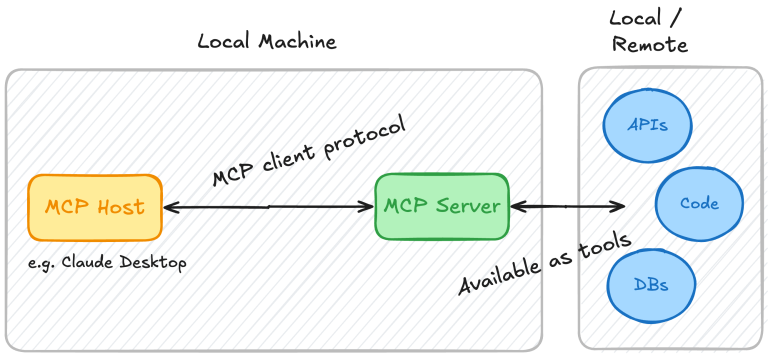
How to Build Your First Claude Code MCP Server in TypeScript
Last updated: June 29, 2026 By the end of this guide, you will have a working MCP server written in TypeScript, registered…

Step-by-step, follow-along guides: set something up, fix something broken, or build a small thing end to end. These are written to be worked through at a keyboard rather than skimmed, with versions and commands stated so you can tell at a glance whether a guide still applies to the tools you have installed. Useful if you learn by doing rather than by reading theory first.
Tutorials
Last updated: June 29, 2026 By the end of this guide, you will have a working MCP server written in TypeScript, registered…
 Tutorials
Last updated: May 25, 2026 Using article:write to guide the polish pass. The brief and reviewer notes are fully provided, so I’ll…
 Tutorials
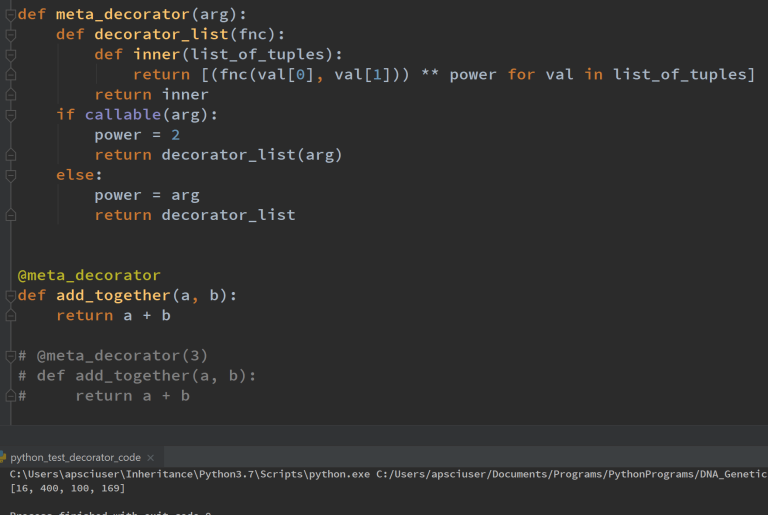
Last updated: May 5, 2026 Prerequisites Python 3.x installed and a terminal or REPL to run examples Familiarity with defining functions in…
 Tutorials
Last updated: April 25, 2026 Writing the article now based on the full brief. By the end of this guide, you will…
 Tutorials
Last updated: April 19, 2026 Imagine you are halfway through a JavaScript project, everything is running fine in development, and then you…
Last updated: April 4, 2026 Here is a fact that surprises many developers moving from JavaScript to TypeScript: the TypeScript compiler will…
 Tutorials
Last updated: April 4, 2026 PHP exercises practice banner showing the w3resource PHP coding exercises interface Image: w3resource How many PHP tutorials…
It depends on the tutorial, and each one states its assumptions up front. Setup and configuration walkthroughs generally need no coding at all, just some comfort with a terminal or an admin panel. Anything that builds a feature assumes you can read the language it is written in. Where a tutorial lists prerequisites, take them seriously — skipping them is the usual reason a walkthrough stops working halfway.
Nine times out of ten it is a version mismatch, the wrong working directory, or a missing dependency. Check the version of the tool the tutorial was written against versus the one you have installed, confirm you are running the command where the tutorial assumes you are, and read the whole error rather than only the last line. Errors usually name the problem quite plainly.
Because a tutorial that says “install the latest” quietly breaks the moment the next major release lands. Pinning a version means the steps you follow are the steps that were actually tested. Once it works on the pinned version, upgrading becomes a separate and much easier problem, because you are debugging one deliberate change instead of an unfamiliar setup you never got running.
Type it out while you are learning and copy it once you are not. Typing forces you to read every line, so you notice the parts you do not understand; pasting a block you cannot explain gives you a working demo and no knowledge. Once a pattern is familiar, copying is simply efficient — the typing was never the point, the understanding was.
Compare its publish date against the release history of the main tool involved. Within a minor version or two it is usually fine. Across a major version, expect renamed commands, changed defaults and relocated config files. The concepts almost always outlive the exact steps, so an older tutorial still works as a map — just check each command against the current documentation as you go.