




Last updated: July 3, 2026
Most developers pick the wrong Django version for their project – not because they don’t care, but because the release page looks deceptively simple. Two columns, a handful of version numbers, a couple of pip commands. The real decision – whether to download Django framework on its LTS track or chase the latest feature release – has consequences that ripple through your project’s entire support lifecycle, your deployment dependencies, and your team’s upgrade cadence. Get it right at the start and you barely think about it for years. Get it wrong and you’re scrambling for a rushed migration six months in.
The Case for Django LTS: Stability as a Feature

Image: Django Software Foundation
LTS – Long-Term Support – versions are the right default for the vast majority of production projects. Full stop.
Django 5.2 is the current LTS release, sitting at version 5.2.15 with extended support running until April 2028. That’s nearly two years of guaranteed security patches and bug fixes from today, without you needing to track a moving release train. For teams shipping client work, internal tooling, or anything with a meaningful user base, that timeline is a gift. You install it once, pin the version, and your biggest Django obligation until 2028 is running pip install Django==5.2.x when a patch lands.
Patch releases within an LTS line are, by design, boring. They are 100% compatible with the associated feature release unless an extraordinary situation – a security vulnerability or data loss risk – forces a breaking change. That almost never happens. The practical effect: upgrading from 5.2.10 to 5.2.15 is a five-minute job, not a sprint-worth of regression testing. Think of it like updating the firmware on a router you trust – quick, safe, routine.
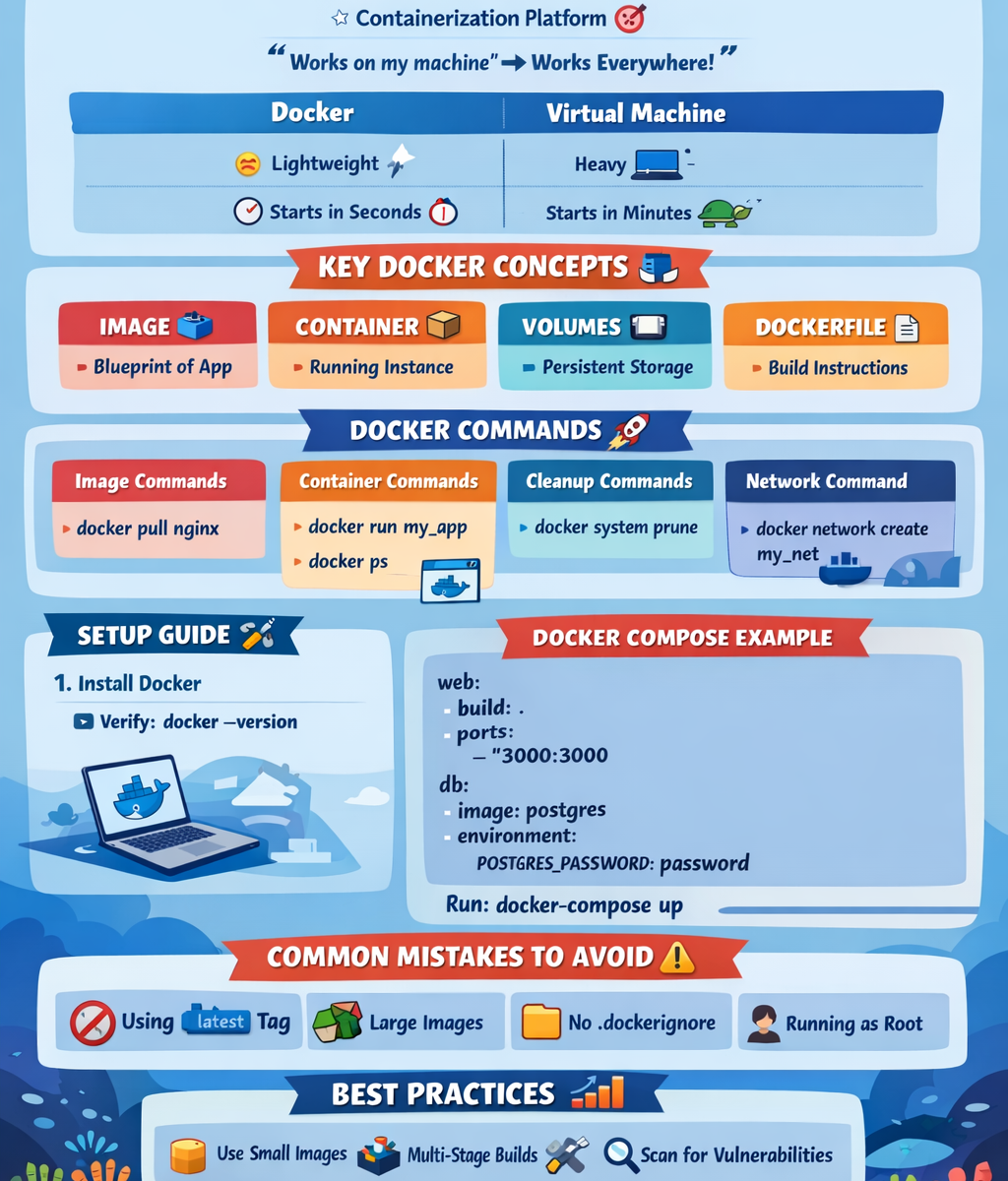
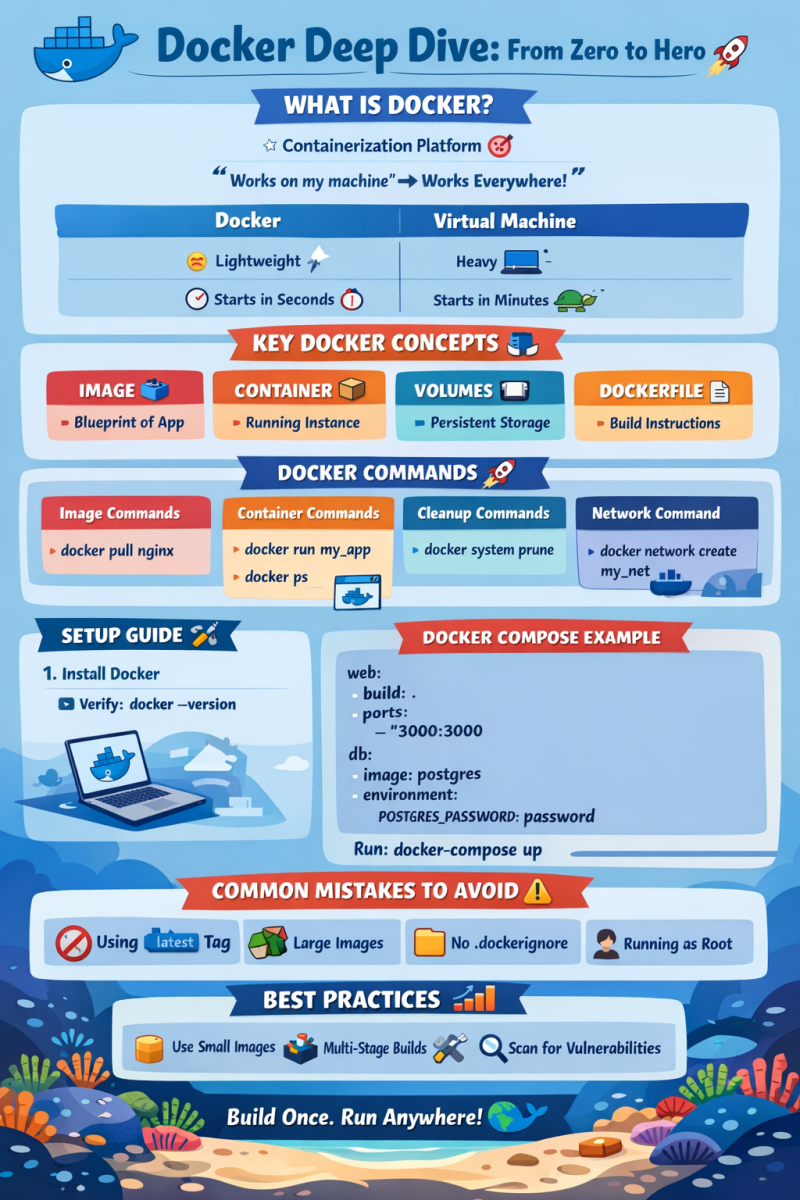
LTS also wins when your infrastructure has opinions. If you’re running Django inside Docker containers (see Docker for Beginners: Everything You Need to Know for a solid primer on container basics), locking to an LTS version means your base images, your CI pipelines, and your team’s local environments all stay in sync without surprise breakage. The previous LTS, Django 4.2, ran from April 2023 until its extended support ended on 7 April 2026. Projects that adopted it on day one got nearly three years of calm before needing to plan a migration. That’s the rhythm LTS is designed to deliver: stability, predictability, long runways.
The Case for Django Latest: Features Worth Having
The latest official release is version 6.0.6, installable with python -m pip install Django==6.0.6. Choosing it isn’t reckless – it’s a deliberate trade-off that makes sense in specific contexts.
Django follows an approximately eight-month feature release cycle. That means by the time you’ve finished reading this article, 6.1 will be approaching its August 2026 launch – the alpha (6.1a1) is already available for testing. Feature releases bring new ORM capabilities, template improvements, async enhancements, and performance gains that don’t backport to the LTS line. If your project is a greenfield experiment, an internal prototype, or a portfolio piece, you’re leaving real developer quality-of-life improvements on the table by voluntarily staying behind.
There’s also a strategic argument. Running the latest release keeps your codebase close to the leading edge, which makes the eventual jump to the next LTS far less painful. Teams that sit on an LTS for its full lifespan sometimes face a two-version leap when it’s time to migrate – accumulated deprecations can turn what should be a manageable upgrade into a significant refactor. Staying current means smaller, more frequent steps.
You might think running non-LTS Django in production is inherently risky. Actually, mainstream support for each feature release lasts until the next feature release ships – roughly eight months of active patching. Django 5.1, for context, received mainstream support until April 2025. That’s a reasonable window for a short-cycle project. The risk isn’t instability within a release; it’s the compressed upgrade timeline once support ends.
How to Choose Between LTS and Latest When You Download Django Framework
The real divergence isn’t about quality – both tracks are production-grade. It’s about time horizons and team overhead.
LTS is purpose-built for: client projects with long maintenance tails, teams without dedicated Django upgrade capacity, organisations with compliance or change-management requirements, and anyone deploying to environments where “battle-tested” outranks “newest”. Three concrete situations where LTS wins outright – a regulated industry SaaS product, a small agency building sites for non-technical clients, and an internal business application that needs to just keep working for years without developer attention.
Latest makes sense for: active product teams who ship frequently, developers learning Django who want access to current documentation and tutorials, and projects that will naturally ride the release wave because they’re already updating dependencies on a regular cadence. It’s also the right call if you’re evaluating Django’s newer async features or any capability introduced after the 5.2 feature freeze.
The roadmap is worth knowing. Django 6.2 LTS is planned for April 2027 with support through April 2030, and Django 7.0 is targeted for December 2027. If you’re starting a project today on 6.0, you’re roughly ten months from the next LTS landing. That’s a reasonable bet for a fast-moving team – you get the latest features now, then migrate to 6.2 LTS when it’s available and lock in for three years.
One honest trade-off: the latest release line occasionally deprecates things that LTS still supports. If you’re integrating third-party packages – and you almost certainly are – check their compatibility matrices before jumping to 6.x. Some packages lag behind feature releases by a few months. LTS versions, by contrast, have had time for the ecosystem to catch up.
Making the Call
Pick Django 5.2 LTS if your project needs to be running reliably with minimal maintenance in 2027. It’s the right default for agencies, startups without dedicated backend teams, and any project where upgrade risk outweighs feature benefit. The support window through April 2028 gives you a comfortable runway.
Pick Django 6.0 (or watch for 6.1 in August 2026) if your team ships continuously, values access to the latest ORM and async features, and can absorb an upgrade cycle every eight to twelve months. Greenfield projects with active development teams and short deployment cycles are exactly the audience the non-LTS track is designed for.
Whatever you choose, the underlying framework is open-source under the BSD licence, maintained by the Django Software Foundation – a not-for-profit organisation with a strong track record of honouring its release commitments. Both tracks are well-supported, well-documented, and production-ready. The version number matters less than whether you’ve matched the support timeline to your actual project needs.
Frequently Asked Questions
Q: What is the difference between Django LTS and the latest release?
A: Django LTS (currently 5.2) receives extended security and bug-fix support for approximately three years, making it suitable for long-running production projects. The latest release (currently 6.0.6) includes the newest features but is only supported until the next feature release ships, roughly eight months later.
Q: How do I download Django framework for a new project?
A: Run python -m pip install Django==5.2.15 for the current LTS, or python -m pip install Django==6.0.6 for the latest release. Use a virtual environment and pin the version in your requirements.txt to ensure reproducible installs.
Q: Are Django patch releases safe to apply without testing?
A: Yes, in almost all cases. Patch releases within a given Django version are guaranteed to be 100% backwards compatible unless a critical security issue or data-loss bug forces a rare exception. Routine patch upgrades carry minimal risk.
Q: When is Django 6.2 LTS coming out?
A: Django 6.2 is planned for release in April 2027 with extended support running through April 2030. If you’re starting a project on Django 6.0 today, migrating to 6.2 LTS when it lands is a natural upgrade path.
Q: Is Django 4.2 LTS still supported?
A: No. Django 4.2 LTS reached the end of its extended support on 7 April 2026. Projects still running 4.2 should migrate to Django 5.2 LTS as soon as possible to continue receiving security patches.
Source: https://www.djangoproject.com/download/
This article was researched and written with AI assistance, then reviewed for accuracy and quality. Nia Campbell uses AI tools to help produce content faster while maintaining editorial standards.
Need help with your web project?
From one-day launches to full-scale builds, DRS Web Development delivers modern, fast websites.