

Image: Helmholtz Association of German Research Centres (via Knowridge)
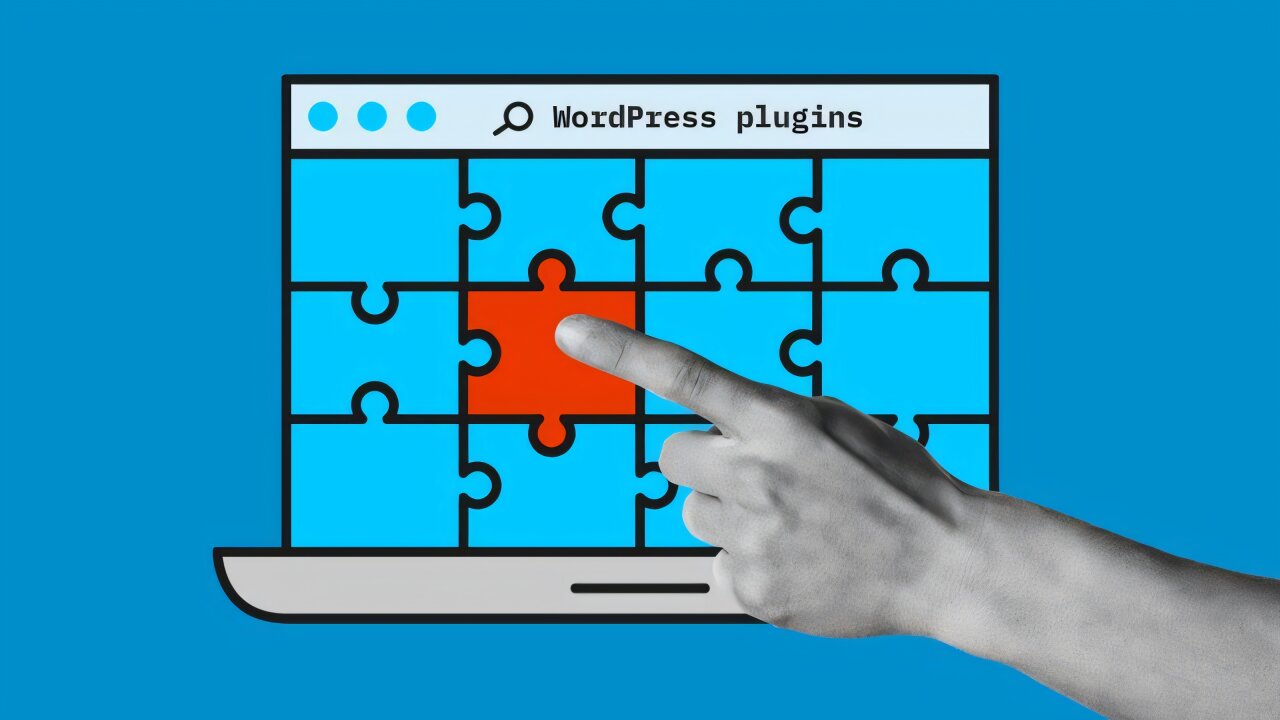
If you maintain a WordPress plugin, here’s what changes right now: there’s a tool that can find the bugs your manual testing missed, before an attacker does. WordPress runs over 40% of the web [citation needed] largely because plugins let anyone bolt on features without writing a line of code – but that convenience hides a debt nobody’s been paying down. Every plugin you install is a chunk of unaudited code sitting inside your site’s trust boundary. A WordPress plugin security scanner called THEMIS, built by researchers at the CISPA Helmholtz Centre for Information Security, just proved how big that debt really is: 10 previously unknown vulnerabilities, three of them serious enough to earn official CVE identification numbers, found in plugins developers assumed were fine.
What is THEMIS and how does it find WordPress plugin vulnerabilities?
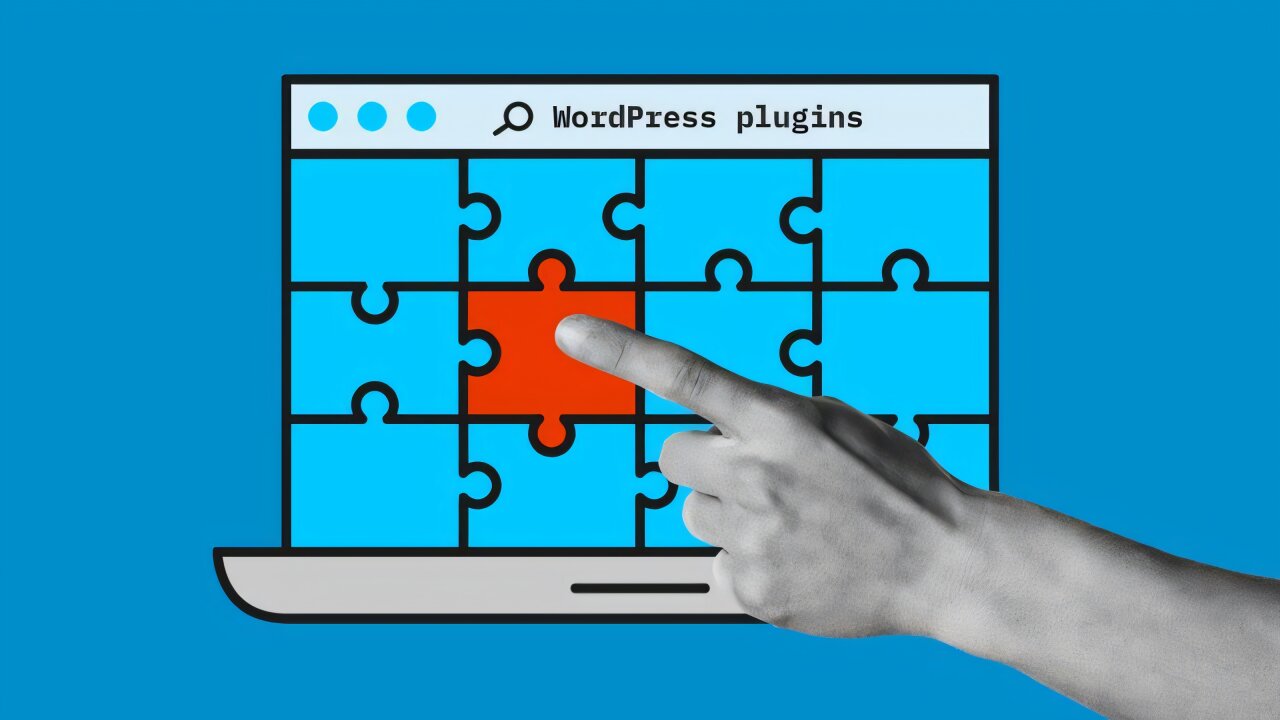
Image: Helmholtz Association of German Research Centres (via Knowridge)
THEMIS is a context-aware grey-box fuzzing tool – software that bombards a plugin with malformed, unexpected, or downright hostile inputs until something breaks. “Grey-box” means it isn’t blindly guessing (black-box) or exhaustively analysing every code path (white-box) – it instruments the plugin’s PHP so it can watch which lines of code actually execute as it fuzzes, then steers future inputs towards the paths it hasn’t tried yet. Fuzzing isn’t new. What’s new is precision.
Traditional web fuzzers choke on WordPress because they try to test the entire system at once – core, theme, every active plugin, all tangled together. THEMIS narrows its focus to one plugin’s code at a time. It maps out every route a user or another piece of software could take to interact with that plugin, then aims its testing directly at the spots most likely to hide a flaw. Crucially, it also watches the traffic between WordPress core and the plugin, so it can tell “this is normal core behaviour” apart from “this is the plugin doing something dangerous.”
Think of it like a building inspector who ignores the whole street and X-rays one house’s wiring, room by room, instead of just checking whether the lights turn on.
What kinds of bugs did it actually find?
According to the researchers, the vulnerability classes THEMIS surfaced fall into familiar-but-dangerous categories: SQL injection (malicious database queries smuggled in through form fields or URL parameters), privilege escalation (a low-permission user tricking the plugin into granting admin-level actions), and path traversal (requests that walk out of an expected directory to read or write files they shouldn’t touch). None of these are exotic – they’re the same bug classes that have topped WordPress vulnerability disclosures for years. What’s notable is that THEMIS found them in plugins that had already been through some level of scrutiny, which is the whole point: these weren’t obvious bugs, they were ones hiding in the paths nobody thought to test.
The case for THEMIS: why targeted fuzzing wins
The results speak plainly, with one caveat worth stating up front: these are the paper’s own reported figures, not yet independently reproduced at scale outside the research setting. Across 68 real-world WordPress plugins, THEMIS reproduced 27 already-known vulnerabilities – a solid sanity check – and then surfaced 10 that nobody had catalogued. All 10 were reported privately to developers before any public disclosure, which is exactly the responsible pipeline you want from a research tool.
Compared with ATROPOS, an existing WordPress-focused fuzzer used as the paper’s baseline, THEMIS found bugs faster and covered more of each plugin’s code in the same time budget, according to the researchers’ benchmarks. Take the absolute vulnerability counts as a snapshot of one test run against one plugin set, not a universal ratio – fuzzing outcomes vary a lot with plugin complexity and test duration. Three consequences follow regardless: fewer zero-days sitting quietly in production, faster patch cycles for maintainers, and a research trail other tool-builders can build on, since THEMIS is open source on GitHub.
You might think a fuzzer this effective would already be baked into plugin review. It isn’t – the WordPress.org plugin repository’s vetting process is largely manual and static-analysis-based; it has never included this kind of automated, context-aware dynamic scanning at scale. That’s precisely the gap THEMIS is exposing.
Running THEMIS yourself: setup and CI/CD reality
THEMIS isn’t a lint rule you drop into a pre-commit hook. Because it’s grey-box, it needs instrumented access to the plugin’s source and a live WordPress instance to actually fire requests against – meaning every fuzzed input has real network and database round-trip cost. That has two practical consequences for how you’d integrate it:
- Don’t run it per-commit. The setup and request overhead make it a poor fit for a fast feedback loop on every pull request. Treat it like a nightly build or a pre-release gate instead – something that runs against a staging instance while you sleep, not something a developer waits on.
- Budget for false positives. Automated findings still need a human to confirm exploitability before you file a ticket, especially on plugins with heavy use of WordPress hooks and filters, which can make a “vulnerable-looking” code path unreachable in practice.
If you’re evaluating it for a CI/CD pipeline, the realistic pattern is: spin up a disposable WordPress container with your plugin installed, point THEMIS at it as a scheduled job, and pipe confirmed findings into your issue tracker for triage – not a blocking check on merge.
The case for manual audits: where human review still matters
Manual code review still catches what THEMIS structurally can’t. THEMIS only tests server-side behaviour, which means client-side flaws like cross-site scripting – malicious scripts injected into pages viewed by other users – slip straight past it. A human auditor, or a client-side-focused scanner, is still required to close that gap.
Manual review also filters noise. THEMIS can produce false positives, and every automated finding still needs a person to confirm it’s real before a developer spends a day chasing a ghost. And it’s slow by design: because every fuzzed request has to travel to a live WordPress instance, throughput is nowhere near hitting-a-static-analyser-and-walking-away.
None of that erases THEMIS’s value – it just means it’s a powerful new layer, not a replacement for judgement.
Head-to-head: automated fuzzing versus manual audits
The honest trade-off: THEMIS scales in a way humans never will, but it sees only half the attack surface. Manual review sees the client side but scales terribly and is inconsistent from one auditor to the next. So what: run THEMIS-style scanning as your scheduled first pass, and reserve human eyes for the client-side edge cases and any high-severity findings that need real judgement before disclosure.
If you maintain a plugin: run something THEMIS-like against it before your next release, treat every server-side finding as real until proven otherwise, and don’t assume popularity equals safety – install counts measure adoption, not audit depth. If you run a WordPress site: patch faster than you think you need to, because the plugins you trust most are exactly the ones nobody’s fuzzed yet.
Frequently Asked Questions
Q: What is THEMIS in WordPress security testing?
A: THEMIS is a context-aware grey-box fuzzing tool built by CISPA Helmholtz Centre researchers that automatically tests WordPress plugins for security flaws by sending unusual inputs and monitoring which code paths execute in response.
Q: What kinds of vulnerabilities has THEMIS found?
A: The reported findings span SQL injection, privilege escalation, and path traversal bugs – across 68 plugins, THEMIS reproduced 27 known vulnerabilities and surfaced 10 previously unknown ones, three of which received CVE identification numbers.
Q: Can I run THEMIS in my CI/CD pipeline?
A: Yes, but not as a per-commit check. It needs an instrumented copy of your plugin running against a live WordPress instance, so it fits best as a scheduled nightly job or a pre-release gate rather than a fast feedback loop.
Q: Can THEMIS replace manual security audits?
A: No. It only detects server-side vulnerabilities and misses client-side issues like cross-site scripting, and its automated findings still need a person to confirm they’re genuinely exploitable.
Q: Is THEMIS available for developers to use?
A: Yes, it’s open source on GitHub, though expect it to run slowly relative to static analysis tools since every test request has to reach a live server.
Source: https://knowridge.com/2026/09/new-tool-uncovers-hidden-security-flaws-in-wordpress-plugins/
This article was researched and written with AI assistance, then reviewed for accuracy and quality. Nia Campbell uses AI tools to help produce content faster while maintaining editorial standards.
Need help with your web project?
From one-day launches to full-scale builds, DRS Web Development delivers modern, fast websites.