

Last updated: May 27, 2026
Choosing the wrong backend language web development stack costs teams months of refactoring and thousands in avoidable technical debt. PHP and Python are two of the most widely deployed server-side options on the web, and the decision between them shapes everything from your hiring pipeline to your hosting costs. Neither is universally better. The right answer depends on what you’re building, who’s building it, and where you expect the project to go.
Prerequisites: What You Need to Know Before You Decide
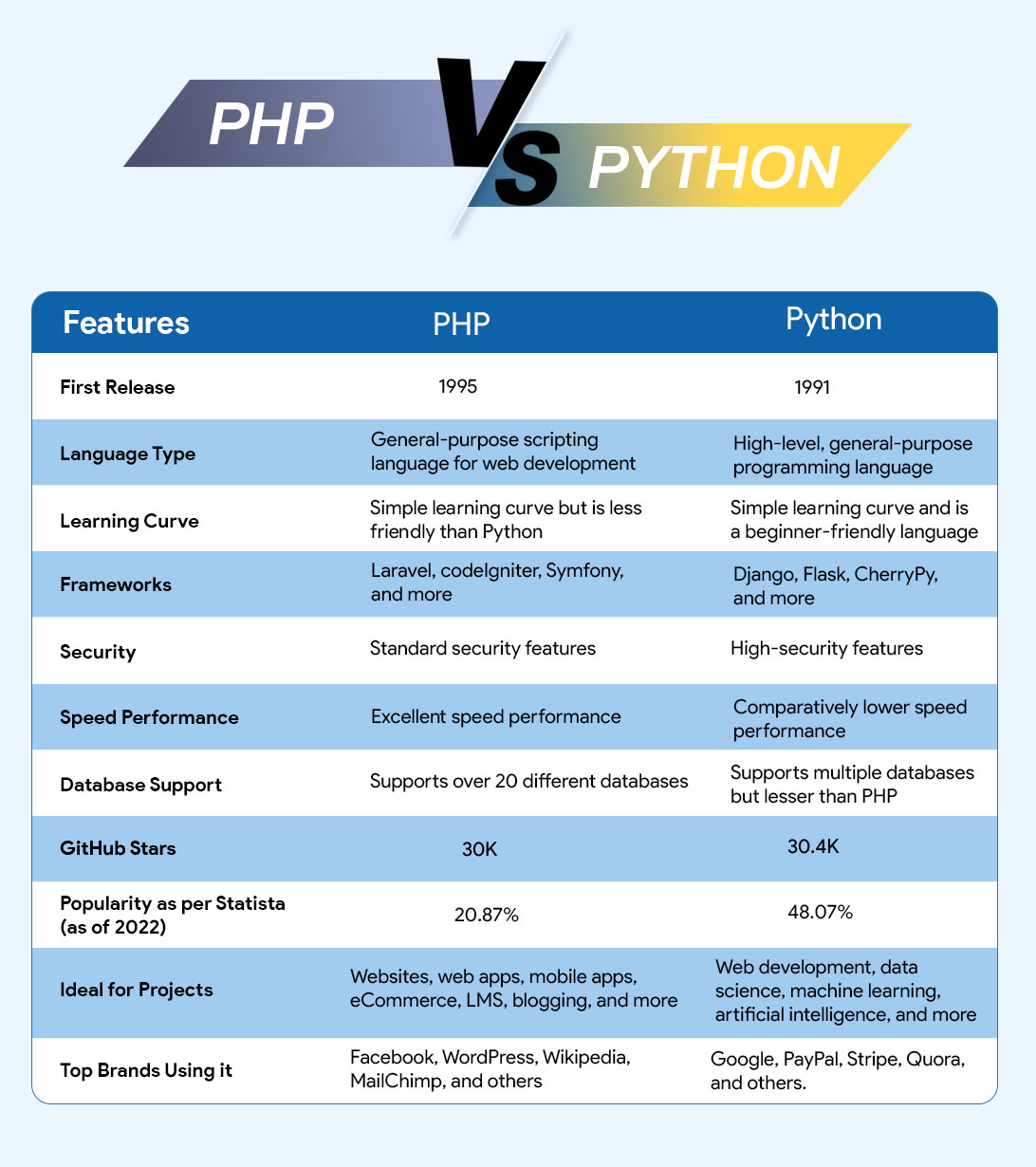
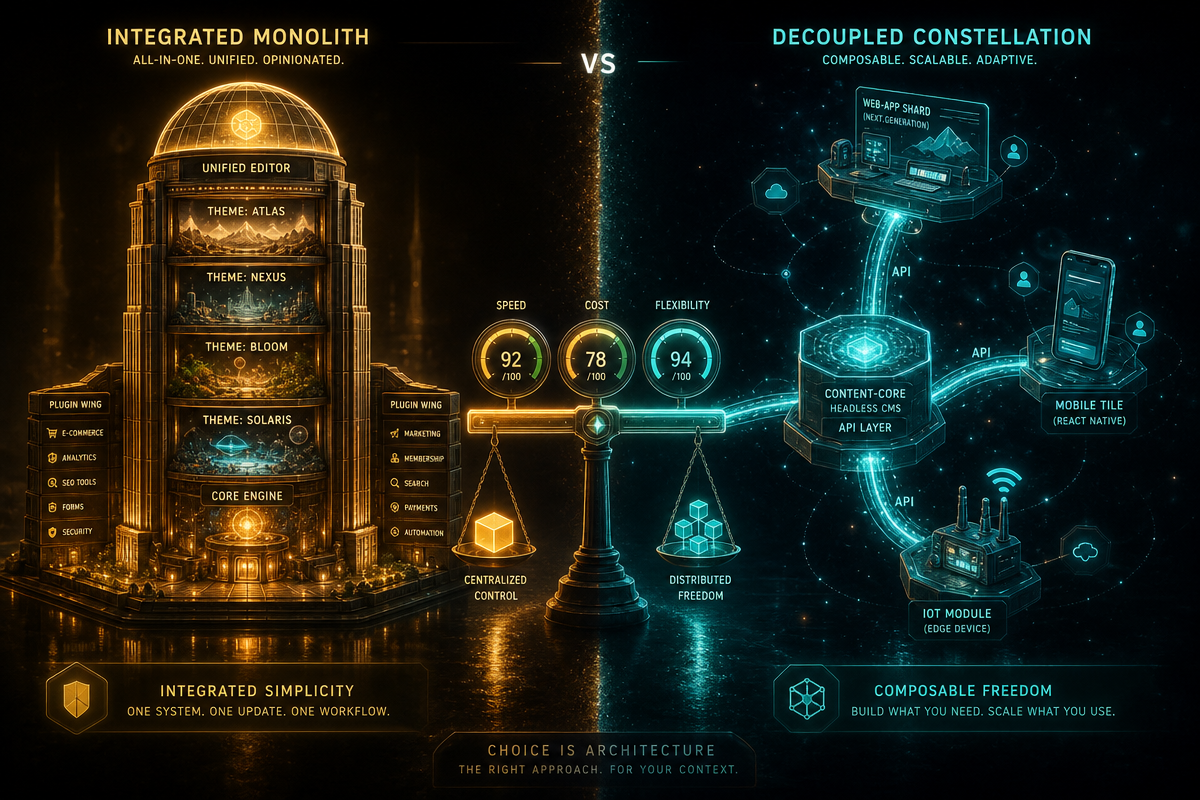
Image: Nethues Technologies
Before comparing the two languages, clarify three things: your project type (CMS-driven site, custom web application, or data-heavy platform), your team’s existing expertise, and your long-term technical roadmap. Both PHP and Python can handle any standard web backend workload – the question is which one fits your context with the least friction. If you’re starting from scratch, this guide walks you through the decision systematically.
Step 1: Understand What Each Backend Language Brings to Web Development
PHP is the dominant server-side language for traditional web hosting. That’s not legacy inertia – it’s infrastructure reality. Shared hosting providers support PHP by default, and the majority of CMS-driven sites, including virtually all WordPress installations, run on it. For building web apps with WordPress, PHP is essentially the native language.
Python’s appeal is broader. Web development is one use case; data science, machine learning, automation, and scripting are others. If your team needs to do any of those things alongside running a web backend, Python lets you share libraries, skills, and tooling across all of them. One language. Many domains.
Step 2: Choose Your Framework – This Matters More Than the Language
Pick the framework first, then commit to the language it runs on. For PHP, Laravel is the clear modern choice for most projects – it offers convention-over-configuration defaults (sensible out-of-the-box settings that reduce boilerplate decisions), robust tooling, and a thriving ecosystem. Symfony is the other major option, favoured for enterprise-scale applications where flexibility and component granularity matter more than speed of setup.
For Python, Django is the recommended framework for backend work – it follows the “batteries included” philosophy, shipping with an ORM (Object-Relational Mapper, which lets you query a database using Python objects rather than raw SQL), authentication, and an admin interface out of the box. Flask is the lighter alternative: fewer opinions, less included, more freedom.
The rule of three: Laravel for rapid PHP development, Django for Python with strong conventions, Flask for Python with minimal constraints.
Step 3: Factor In Hosting and Infrastructure Costs
PHP has a practical advantage on hosting costs. Shared hosting, which is cheap and widely available, supports PHP natively. Python web applications typically need a VPS (Virtual Private Server) or cloud container to run – shared hosting support for Python is patchy at best.
If budget is tight and the project is a content site or straightforward business application, PHP on shared hosting is hard to argue against. If you’re deploying to AWS, Google Cloud, or a managed Kubernetes cluster anyway, this distinction disappears entirely.
Step 4: Stop Judging PHP by Its 2005 Reputation
Modern PHP (8.2 and above) is a different language from the one that earned its bad reputation. Union types, named arguments, enums, fibre-based concurrency – the PHP of 2026 is ergonomic, fast, and expressive. Comparisons based on PHP 5-era code are as outdated as judging a city by a photograph from twenty years ago. Laravel in particular makes PHP feel contemporary.
Python, for its part, has always had clean syntax and strong community standards. Neither language is the “ugly” one anymore. The PHP vs Python comparison in 2026 is genuinely closer than it used to be, and anyone steering teams away from PHP on the basis of old impressions is working from stale data.
Step 5: Let Your Team’s Expertise Break the Tie
If your developers already know PHP, use PHP. If they know Python, use Python. The productivity cost of learning a new language mid-project is real and consistently underestimated. Framework fluency – knowing Laravel’s Eloquent ORM or Django’s queryset API – takes months to develop properly. The choice between PHP and Python is increasingly driven by project context and team expertise rather than raw capability.
One important caveat: the PHP vs Python debate sits within a much larger ecosystem. C#, Java, Node.js, Ruby, and Go are all legitimate server-side options. If your team is strong in Node.js and you’re building a real-time application, neither PHP nor Python may be the best fit. Don’t let a binary framing constrain a decision that has more than two answers.
Troubleshooting: Three Common Mistakes in This Decision
Both languages are well-supported and production-proven – the errors teams make are usually in the decision process, not the languages themselves.
Choosing by hype, not context. Python consistently ranks highly in developer satisfaction surveys, which leads teams to default to it even when their project is a WordPress-adjacent content site where PHP is the obvious fit. Popularity signals community health. It doesn’t signal suitability for your specific project.
Treating framework choice as reversible. Once a project is built on Laravel or Django, switching frameworks is a significant rewrite. Treat the framework decision as semi-permanent. Research the ecosystem, check long-term support schedules, and make sure the community is active before committing.
Underweighting accessibility and integration tooling. Backend language choice affects what frontend and integration tooling you can reach for. If you’re building accessible web experiences, check what your chosen framework offers natively. For practical testing guidance, Liberogic’s Chrome extensions for web accessibility testing are a useful complement to whatever stack you land on.
Where to Go from Here
If your project is CMS-driven, budget-constrained, or your team already knows PHP – start with Laravel. If your project touches data science, ML pipelines, or your team is Python-fluent – go Django. If you’re genuinely undecided, Django has a slight edge for greenfield (new-from-scratch) applications because of its included batteries and cleaner defaults. Either way, you’re choosing between two mature, well-supported, production-proven ecosystems. The framework matters more than the language. The team’s familiarity matters more than either.
DRS Web Development builds custom websites and web applications for businesses of all sizes – from straightforward content sites to complex data-driven platforms. If you’d like expert help choosing the right stack for your project, visit drs-web.co.uk/contact for a free consultation.
Frequently Asked Questions
Q: Is PHP or Python better for backend web development in 2026?
A: Neither is universally better. PHP is the stronger choice for CMS-driven sites, WordPress projects, and shared-hosting deployments. Python is preferable when the project involves data science, machine learning, or when the team already works extensively in Python. Both languages handle any standard web backend workload competently.
Q: Does PHP’s old reputation still hold up?
A: No. Modern PHP (8.2+) has introduced union types, enums, named arguments, and significant performance improvements. Comparisons based on PHP 5-era code are outdated – Laravel in particular makes contemporary PHP development clean and productive.
Q: Which is easier and cheaper to host – PHP or Python?
A: PHP is easier and cheaper to host. Shared hosting providers support it natively, keeping costs low for straightforward projects. Python web applications typically require a VPS or cloud container, adding configuration overhead and cost.
Q: What frameworks should I use with PHP and Python?
A: For PHP, Laravel is the recommended choice for most projects; Symfony suits larger enterprise applications. For Python, Django is the go-to framework for full-featured web applications, while Flask suits lighter projects requiring more control.
Q: Can I switch from PHP to Python after I’ve started building?
A: Switching frameworks mid-project constitutes a significant rewrite and should be treated as a near-permanent architectural decision. Choose the framework carefully at the outset rather than planning to migrate later.
This article was researched and written with AI assistance, then reviewed for accuracy and quality. Riya Shah uses AI tools to help produce content faster while maintaining editorial standards.
Need help with your web project?
From one-day launches to full-scale builds, DRS Web Development delivers modern, fast websites.